Welcome to MnCAN
We are happy you're here! You are in the right place.
Questions?
We are here to help. If you don’t see what you’re looking for, Contact Us.
What is MnCAN?
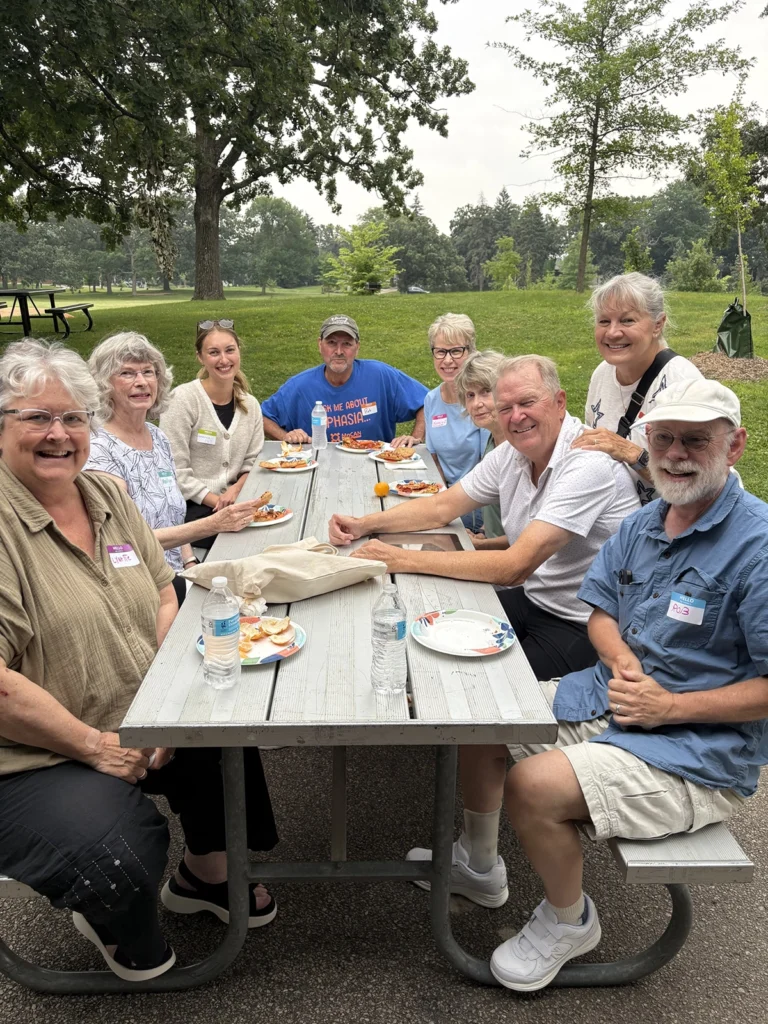
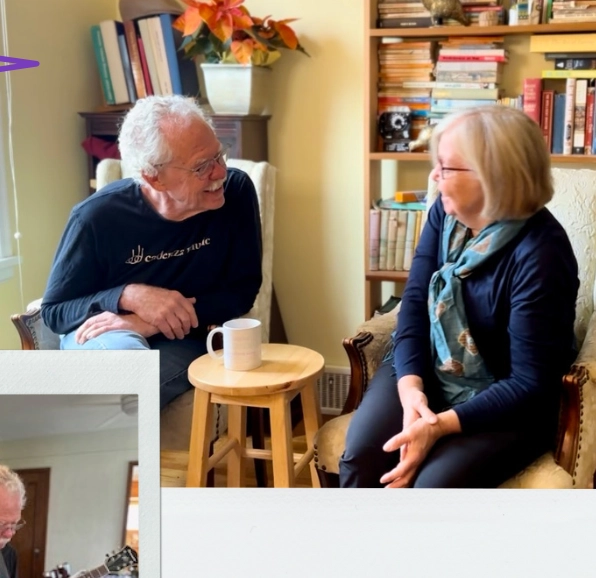
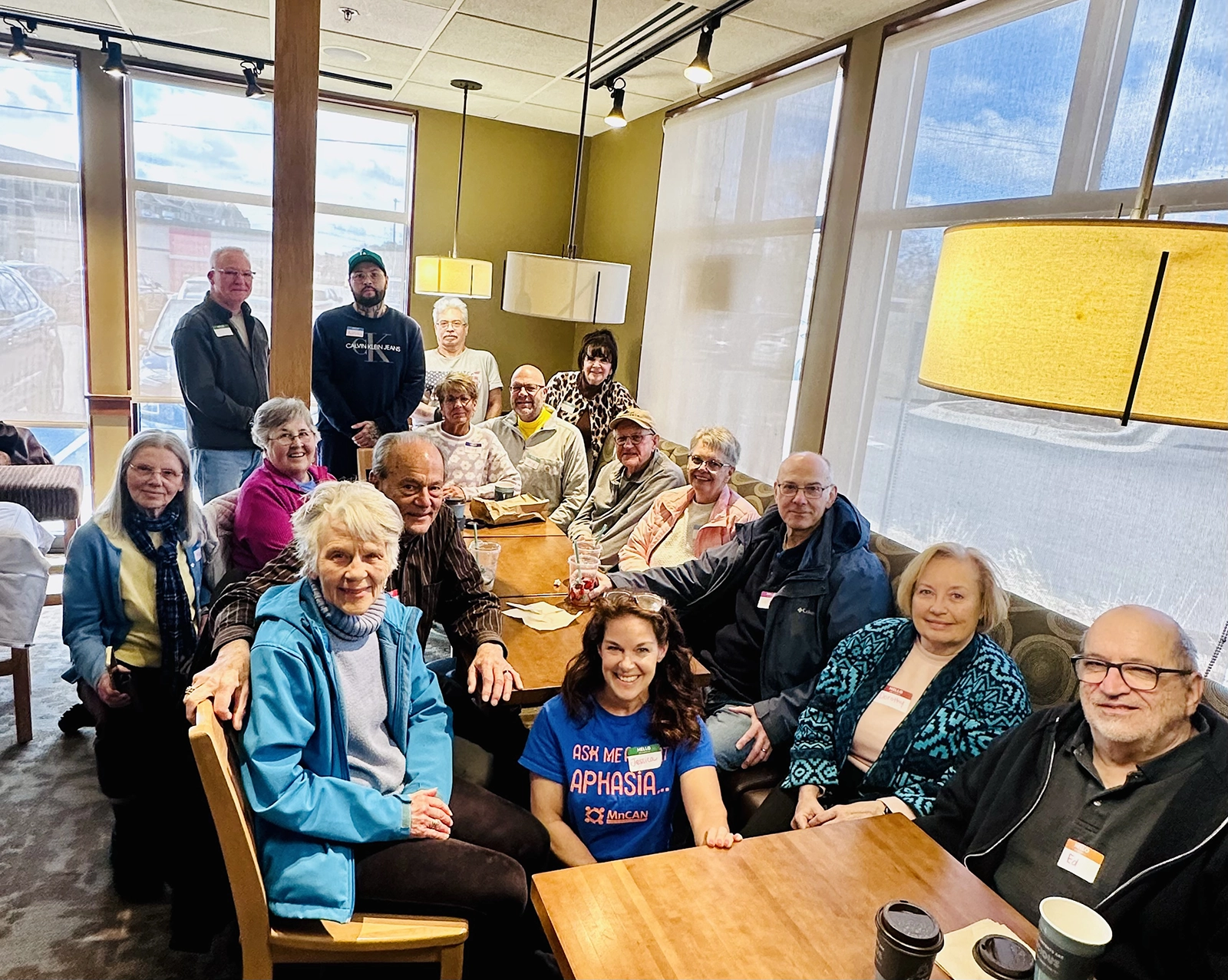
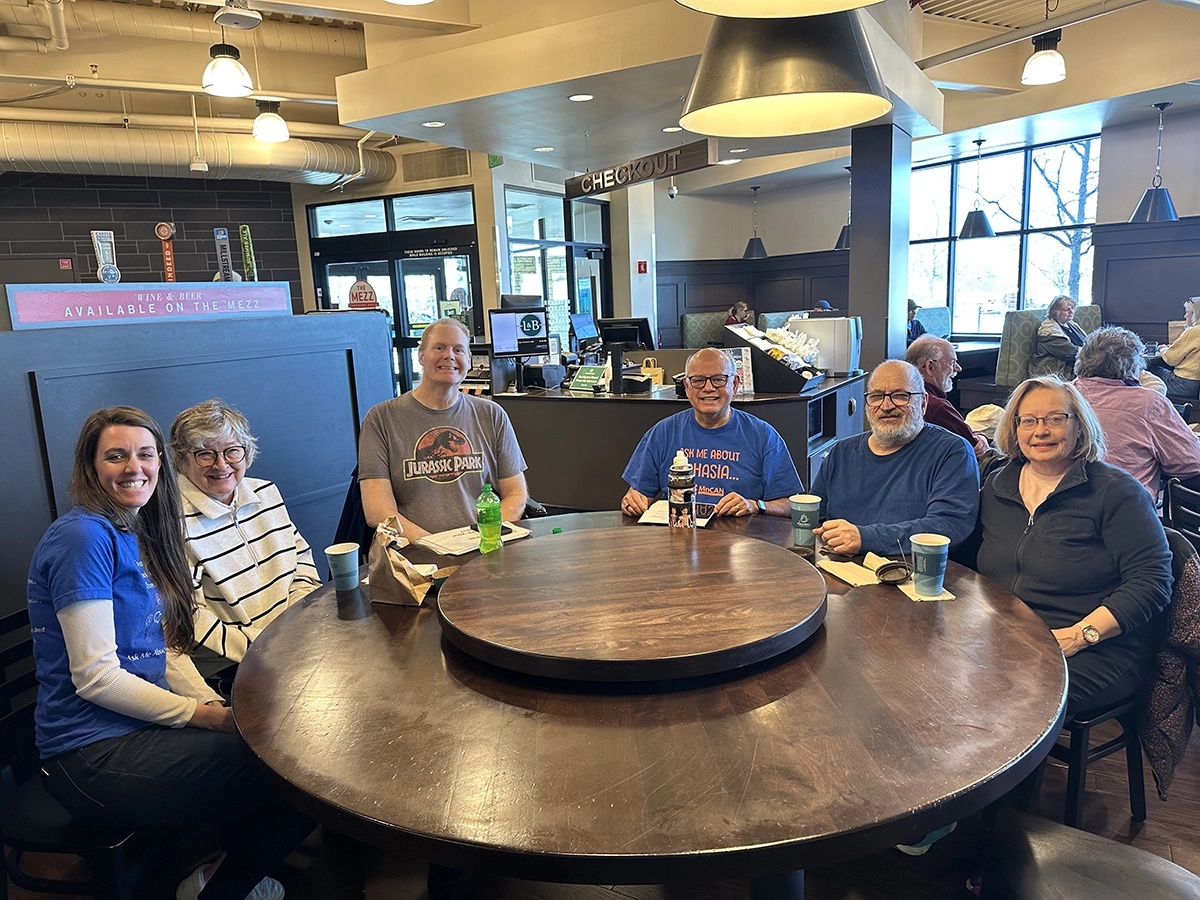
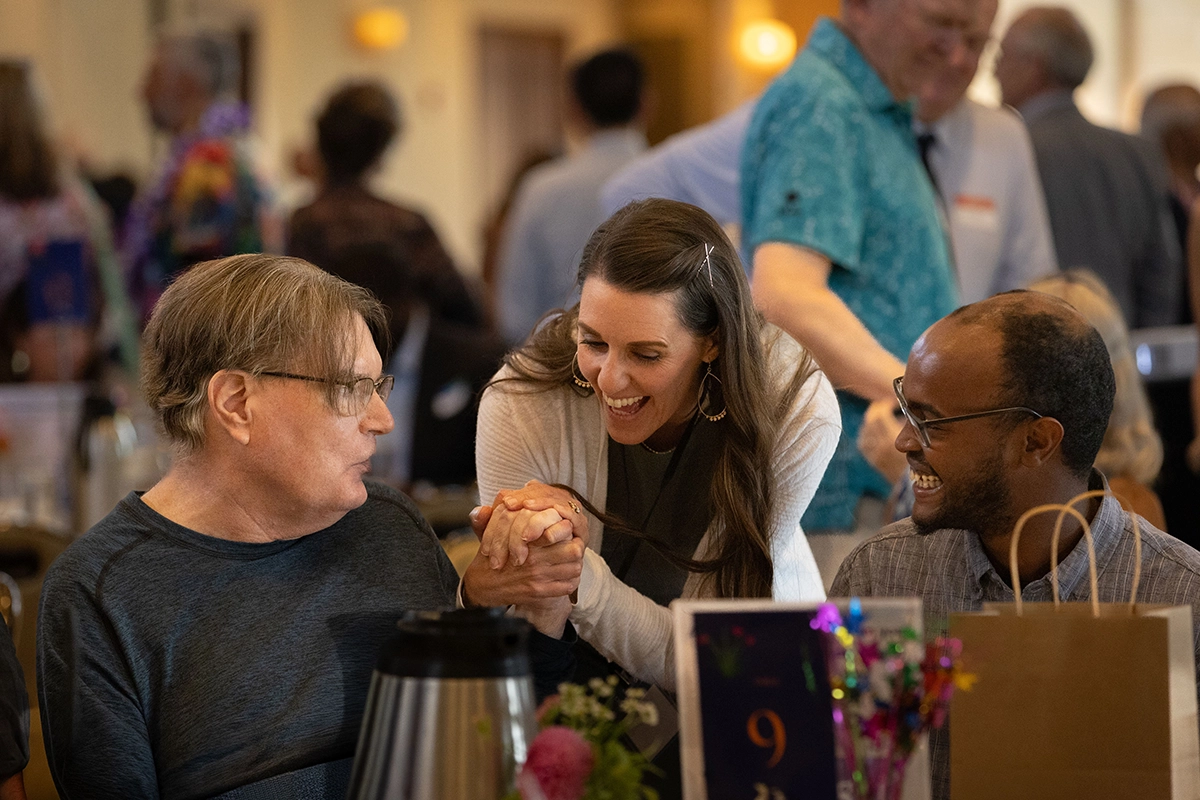
A group for people with aphasia to talk, connect, and practice.
Can I join?
Yes. If you have aphasia or PPA.
When can I join?
Any time after aphasia or PPA diagnosis.
What do we do?
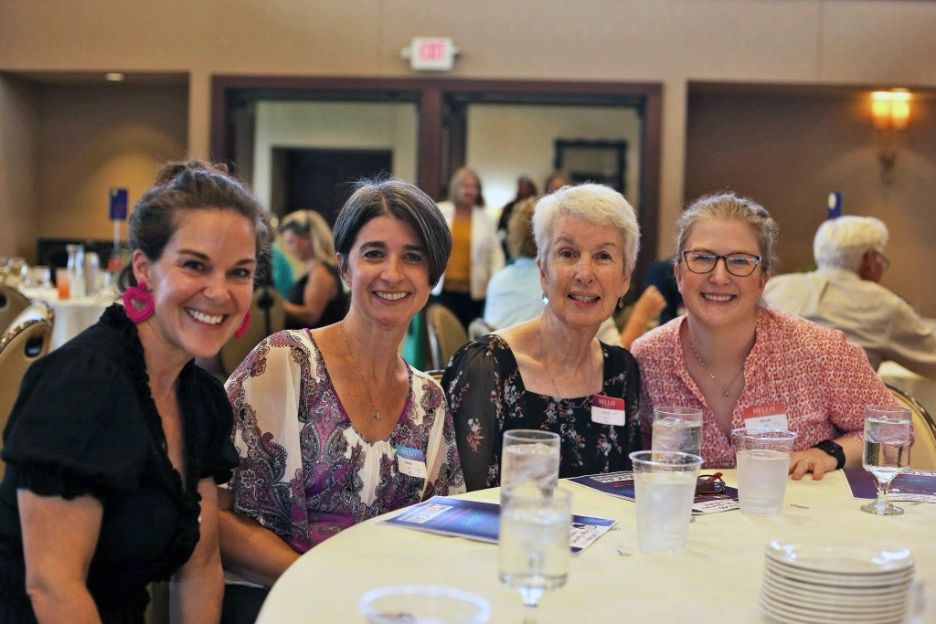
Talk together. Make friends. Build confidence.
Is this therapy?
No. This is support and opportunities to practice.
When are groups?
Winter/Spring. Summer. Fall.
Is there a cost?
Yes. But help is available to offset or cover costs.
Family?
Support and programs are available for care partners.
MnCAN Aphasia Programs
- MnCAN programs are focused on providing connection, hope, confidence and conversation practice for people to successfully participate in life.
- A physician’s order is not necessary to join a MnCAN program.
- There must be an existing diagnosis of aphasia to participate in a MnCAN program. MnCAN will not provide any medical diagnosis or complete any formal evaluation.
- MnCAN programs are not a direct therapy and are not a medically necessary service. We base our services and support on life participation, the social wellness model of care and all of our expert speech pathology facilitators use supportive conversation strategies to ensure each participant can communicate in a way that is best for them.
How do I get started?
- We find it works best to have the professional help connect the individual with aphasia/PPA and/or their care partner to us by emailing us at contact@mncan.org.
- We take it from there. Typically, our intake process involves Angie Maier, SLP and MnCAN Director of Programs, contacting the individual/family and scheduling a phone call or Zoom meeting to gather more information and find the best fit for everyone.
Aphasia Apps
-
Aphasia Software Finder
Aphasia Software Finder provides information on aphasia therapy apps and software for people with aphasia and aphasia professionals. -
Constant Therapy
Constant Therapy Health provides tools for self-help and tools for patients to work with their clinicians. -
Lingraphica
Lifelong guidance and simple technology for people with speech and language challenges — and for those who support them on their journeys. -
Tactus Therapy Apps
Tactus Therapy Apps makes speech therapy apps that provide stroke survivors with intensive practice. -
Cell Phone Resources
Jitterbug phone
The Jitterbug is a simple flip phone designed to help older adults stay in touch with their loved ones. Its big buttons, simplified menu, and powerful speaker make it easy to see, hear, and use. Search your web browser to find the best price and dealer.
Senior Safety App
The Senior Safety App helps Seniors get attention quickly, with alerts for emergency help requests, malicious apps, phone falling, phone being inactive for a long time, app installs or uninstalls, entry/exit from geo-locations (buildings, streets, cities or neighborhoods), network changes (sim card change) and low battery alerts. Search your cell phone app store to download the free or paid version.
Community Connection
-
CaringBridge
CaringBridge offers a social network to help people stay connected with family and friends during a health event or diagnosis. Visit the website for more information: Caring Bridge -
Facebook
Facebook has several different groups for persons with aphasia and care partners. -
HandsOn Twin Cities
HandsOn Twin Cities offers volunteer opportunities. Visit the HandsOn Twin Cities website for more information. -
Lotsa Helping Hands
Lotsa Helping Hands offers a central place to coordinate meals and help for family & friends. Visit the Lotsa Helping Hands website for more information.
Mental Health Resources
-
Allina Health Rehabilitation Psychology Services
Allina Health Rehabilitation Psychology Services offers a range of services related to a diagnosis. Visit their website for more information: Allina Health -
Aphasia and Mental Health
Aphasia and Mental Health YouTube video with MnCAN Social Worker, Sara Nuahn, and Speech Language Pathologists / Directors, Angie Maier and Jessica Wald. We teamed up to share helpful information on living with aphasia. Topics include anxiety, depression, self-care and more. -
Aphasia Nation
Aphasia Nation – The purpose of Aphasia Nation is to educate the wider public about aphasia and particularly the healthcare and hospital communities. Aphasia Nation is looking for people with aphasia (PWA) as well as other aphasia advocates who are hard at work raising aphasia awareness (and neuroplasticity) and telling their stories worldwide. This will also include partners around the world with similar interests and passions, while developing a sense of community. -
Brighter Days Family Grief Center
Brighter Days Family Grief Center is a family-focused grief center in Minnesota. They are the only nonprofit Family Grief Center that provides free resources and services to all children, young adults and adults grieving the terminal diagnosis or death of a family member. Visit the Brighter Days website for more information. -
Dementia Care Expert, Teepa Snow
Teepa Snow’s Positive Approach to Care – YouTube (she has a LOT of great videos about hands-on-care, communication, common frustrations/challenges (like bathing, eating, ruminating, etc), and more) -
Headspace
Headspace is an app for mindfulness and meditation. Visit your phone app store for pricing and information. -
Psychology Today
Psychology Today website offers a list of mental health providers in your area. -
Sara Nuahn, Jade Counseling LLC
Sara Nuahn, Jade Counseling LLC, is a licensed social worker in private practice in Chanhassen, MN. She has been in the field for 22 years and has worked in many capacities at Courage Kenny Rehabilitation Institute in Golden Valley. Sara was a Behavior Professional and Clinical Supervisor, working closely with a variety of counties. -
The Presence Care Project
The Presence Care Project offers mindfulness-based programs that aim to promote greater ease, enhanced well-being, and resilience for people caring for those who are living with mild cognitive impairment and dementia.
Minnesota Aphasia Programs & Organizations
-
Adult Academic Program: Stroke and Brain Injury Recovery Class
Adult Academic Program: Stroke and Brain Injury Recovery Class – Offered by Robbinsdale Community Education. Free classes in reading, speaking, writing and math for adults who have had a brain injury or stroke. -
Brainerd Lakes Area Aphasia Group
Brainerd Lakes Area Aphasia Group—Do you have difficulty speaking following a stroke or head injury? Join us for the Lakes Area Aphasia Group. The purpose of this group is to build a community of support for people with aphasia and their families. Participants can meet other people with aphasia and learn strategies to improve communication. This group is open to people with aphasia and their family and friends. For more information, contact Amanda Bostrom. -
Capable Partners Making The Outdoor Accessible
Capable Partners’ purpose is to provide opportunities for personal growth and independence for physically challenged persons and able-bodied partners through participation in fishing, hunting, and related outdoor activities. -
Coffee and Conversation– Stroke Program at North Memorial Medical Center
Coffee and Conversation – Stroke Program at North Memorial Medical Center. Weekly morning coffee group. -
Community Reintegration Program (CRP)
The Community Reintegration Program (CRP) uses day-to-day activities and life skills to help you maximize your abilities and independence. It is meant for anyone who has sustained a mild-to-moderate brain injury, experienced a stroke or has cognitive conditions that affect their ability to function successfully in the home or community environment. -
Courage Kenny Rehabilitation Institute Adaptive Sports and Recreation
Courage Kenny Rehabilitation Institute Adaptive Sports and Recreation offers a wide variety of recreational and competitive sports programs for youth and adults in the Twin Cities metropolitan area. -
Let’s Talk Again
Let’s Talk Again group communication program – St. Cloud State University. -
Minnesota Connect Aphasia Now (MnCAN)
Minnesota Connect Aphasia Now (MnCAN) – Weekly in-person and virtual aphasia conversation groups and programs for persons with aphasia! -
Minnesota Stroke Association
The Minnesota Stroke Association offers services and support in a variety of categories. -
SHARE
Sports-Health-Activity-Recreation and Exercise (SHARE) – Courage Center Rehab Institute. This program helps navigate opportunities for community resources for sports, health, activity, recreation and education for all of Minnesota. -
Socialize! Aphasia Group
Socialize! Aphasia Group – University of Minnesota Duluth. -
Stroke INSPIRE Program Park Nicollet
Stroke INSPIRE Program Park Nicollet – A variety of programs for stroke survivors, from conversation groups, caregiver support groups and more. Visit their website to get involved or to receive their newsletter.
Minnesota Assistance & Respite Care
-
Care Patrol
Care Patrol has several advisors in the Twin Cities available to help with care needs. -
Caregiver Action Network
-
Caring.com
Caring.com is a senior care resource for family caregivers seeking information and support as they care for aging parents, spouses, and other loved ones. -
DARTS
DARTS (Healthy Aging Solutions) Dakota County—DARTS is a nonprofit organization that has provided personalized, professional services to older adults and caregivers in the Twin Cities Southeast metro for over 50 years! -
-
Family Caregiver Alliance
For more than 40 years, the Family Caregiver Alliance (FCA) has provided expert support, resources and guidance to family caregivers of adults with physical and cognitive impairments, such as Parkinson’s, stroke, Alzheimer’s and other types of dementia. -
Family Caregiver Connection
The Anoka County Family Caregiver Connection provides comprehensive services designed to support family caregivers and their care receivers. -
FamilyMeans
FamilyMeans – Washington County. FamilyMeans is a multi-service nonprofit organization founded in 1963. They are funded by grants, donations, and client fees. FamilyMeans is headquartered in Stillwater, Minnesota, with branch offices located throughout the Twin Cities metro area, southeastern Minnesota, and western Wisconsin. -
Living at Home Network
Living at Home Network – Connecting Organizations. Strengthening Communities. Supporting Aging at Home. -
Metropolitan Caregiver Services Collaborative
-
-
Minnesota Live Well at Home
Minnesota Live Well at Home helps older Minnesotans thrive by providing the programs and resources that keep people living in their own homes longer. -
Open Circle Adult Day Services
Open Circle Adult Day Services is ideal for adults of all ages who could benefit from daytime social interaction, health and personal care and/or cognitive support. Several locations in the Twin Cities area. Visit their website for more information. -
-
Senior Helpers
Senior Helpers is owned by a Speech Pathologist. Senior Helpers provides non-medical home care to adults who would benefit from 1:1 support for companion care services (companionship, outings, laundry, light housekeeping, transportation, errands, meal prep) and/or personal care services (bathing, grooming, toileting), individualized to needs. Services can be provided for as little as 4 hours once a week, up to 24/7, to foster improved quality of life and increased independence. -
Wilder Caregiver Support Services
Wilder Caregiver Support Services (East Metro)
National Organizations
-
American Stroke Association
American Stroke Association – Stroke Connection e-news is a monthly publication delivering news, resources and stories for stroke survivors and their caregivers. Sign up for the Stroke Connection e-newsletter. -
Aphasia Access
Communication is key to person-centered health care and meaningful life. Aphasia Access empowers healthcare professionals, interdisciplinary teams, speech-language pathologists, and community advocates. Visit their webpage for more information. -
Aphasia Nation
Aphasia Nation – The purpose of Aphasia Nation is to educate the wider public about aphasia and particularly the healthcare and hospital communities. Aphasia Nation is looking for people with aphasia (PWA) as well as other aphasia advocates who are hard at work raising aphasia awareness (and neuroplasticity) and telling their stories worldwide. This will also include partners around the world with similar interests and passions, while developing a sense of community. -
Aphasia Recovery Connection
Aphasia Recovery Connection (ARC) – Virtual aphasia groups for people throughout the nation. -
-
Health In Aging
Health In Aging is a trusted source for up-to-date information and advice on health and aging, created by the American Geriatrics Society’s Health in Aging Foundation. -
Health In Aging Caregiver Self Assessment
Health In Aging is a trusted source for up-to-date information and advice on health and aging, created by the American Geriatrics Society’s Health in Aging Foundation. Caregiver Self Assessment Questionnaire: -
-
National Aphasia Association
National Aphasia Association – The National Aphasia Association has been providing information and support to people with aphasia and their caregivers for over thirty-five years. -
National Aphasia Association Caregivers Guide
-
Rescue
Rescue: Resources and Education for Stroke Caregivers’ Understanding and Empowerment. Visit the website for more information. -
Stroke Survivor
Stroke Survivor is dedicated to helping people with disabilities live full lives!” Lots of tips, with a sense of humor; articles, books, and helpful products. Visit the website for more information. -
Voice of Hope for Aphasia
Voice of Hope for Aphasia. Aphasia Simulations. Experience what it might be like to have aphasia. The Aphasia Simulations, developed by former Voices of Hope for Aphasia Executive Director, Dr. Jackie Hinckley, and Keen Research, are intended to provide a different perspective on the issues encountered by a person with a language disorder. With this perspective comes, perhaps, greater understanding and empathy. Visit their webpage for more information. -
Well Spouse Association
Transportation Resources
-
Allegiance Transportation
Allegiance Transportation provides wheelchair transportation in the Twin Cities metro -
-
UZURV
UZURV helps individuals, families, agencies, organizations, non-profits, and communities ensure everyone, no matter their mobility needs, has access to safe, reliable, and affordable transportation.
Vacation & Travel resources
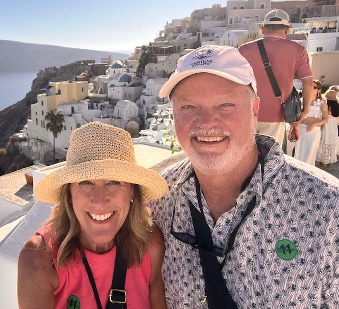
Aphasia Recovery Connection Cruises
Hidden Disabilities Sunflower Program
The Hidden Disabilities Sunflower indicates to anyone approaching – especially those in customer service roles – that a person wearing one of these items may need more assistance and that their patience is appreciated.
Hidden Disabilities Sunflower Program Video
The Minneapolis-St. Paul International Airport (MSP) has partnered with the Hidden Disabilities Sunflower Program to bring its Sunflower Lanyard program to MSP. Watch the 45-second short video to learn more about the Hidden Disabilities Sunflower Program
Volunteer Involvement & Activities
-
CaringBridge
CaringBridge offers a social network to help people stay connected with family and friends during a health event or diagnosis. Visit the website for more information: Caring Bridge -
Facebook
Facebook has several different groups for persons with aphasia and care partners. -
HandsOn Twin Cities
HandsOn Twin Cities offers volunteer opportunities. Visit the HandsOn Twin Cities website for more information. -
Lotsa Helping Hands
Lotsa Helping Hands offers a central place to coordinate meals and help for family & friends. Visit the Lotsa Helping Hands website for more information.